
5 Reasons to Plant Four Nerve Daisy (Tetraneuris scaposa)
Four-Nerve Daisy is low-growing and evergreen, making it a versatile plant at the front of a landscaping bed, in a zeriscape, or in a container pot. Its delicate flowers sway in the breeze!
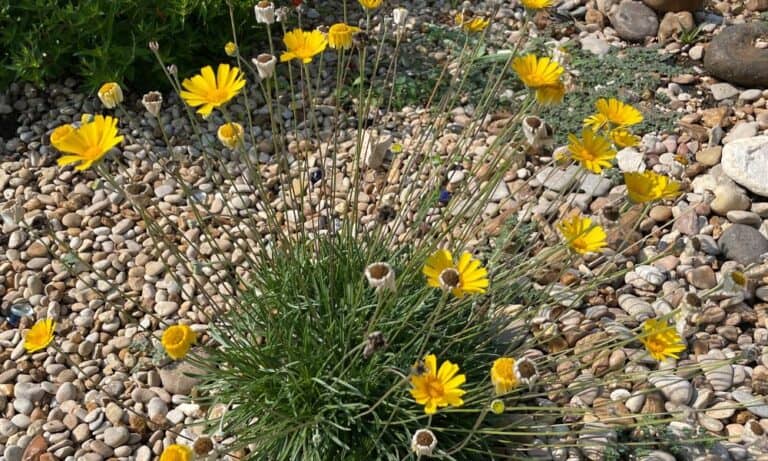
Four-Nerve Daisy is low-growing and evergreen, making it a versatile plant at the front of a landscaping bed, in a zeriscape, or in a container pot. Its delicate flowers sway in the breeze!
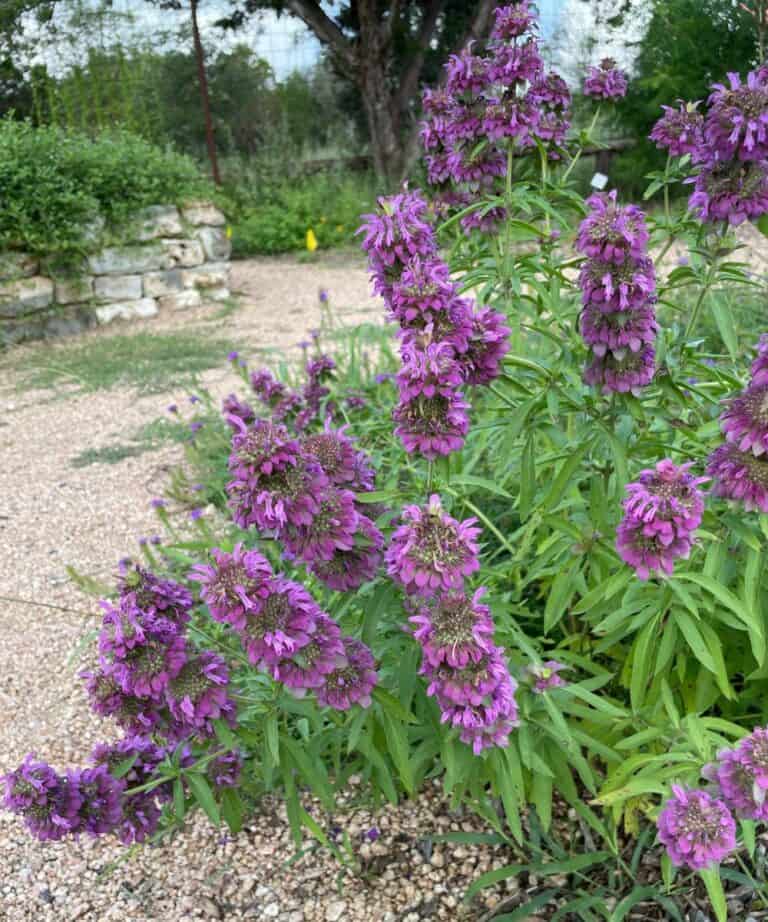
Lemon Mint (Monarda citriodora) may just be my favorite Texas wildflower! I love its unique stacked blooms and pretty purple flowers. This plant goes by more than one common name – you may have also heard it called Lemon Beebalm, Horsemint, or Lemon Bergamot. All are referring to the same plant! Native to the southern US, this wildflower can handle full sun to partial shade. It starts putting on basal leaves in early spring and blooms in the summer.
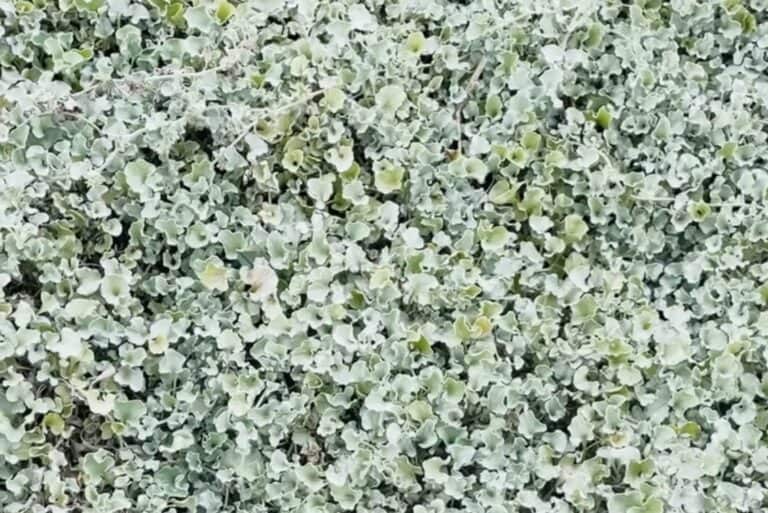
Need a beautiful ground cover to add to your garden? Silver Ponyfoot (Dichondra argentea) is a full sun-loving native plant that thrives in well-drained soil. This pretty groundcover is known for its silver leaves and silver stems. Dichondra argentea is a native plant – found in parts of Texas, New Mexico and Arizona! In addition to being a great ground cover, it looks beautiful flowing over rock walls or cascading over an elevated pot or hanging basket.
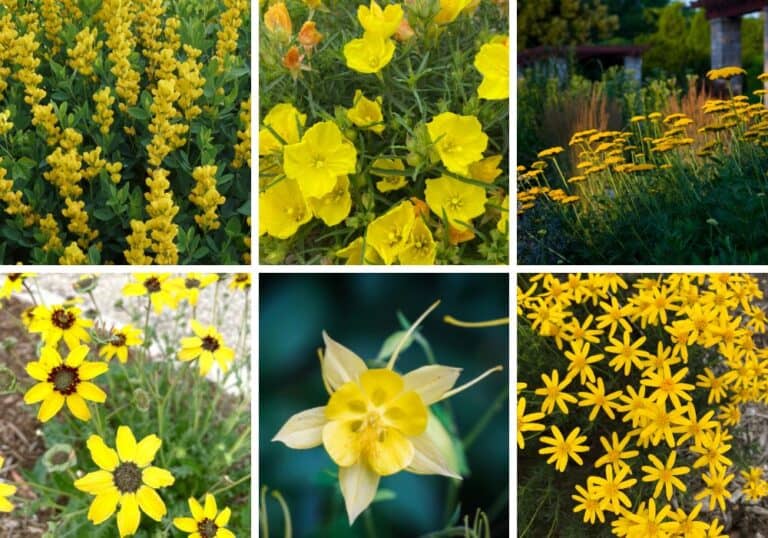
Want to smile every time you look out at your garden? Fill it will sunny yellow perennial flowers that are native to your local area. Not only will they brighten your garden, they will bring it alive with pollinators! These 10 awesome yellow perennial flowers to add to your flower beds. Many of them are profuse bloomers that will provide a pop of yellow from from early spring until late summer.
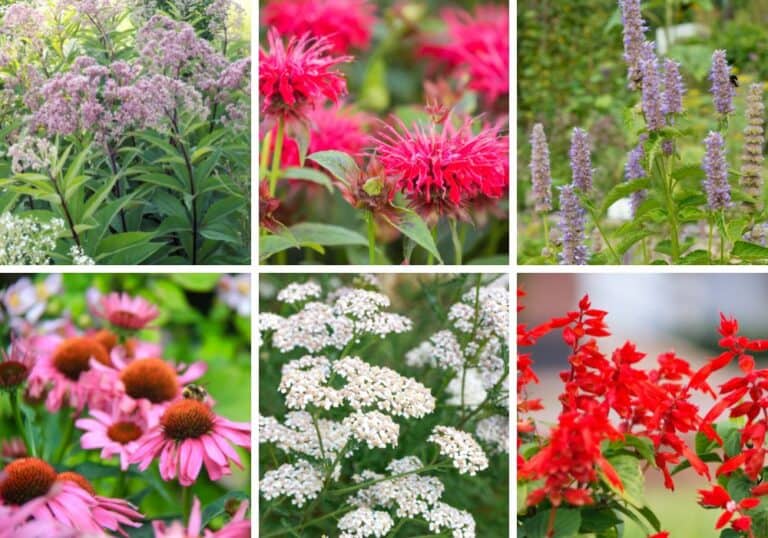
Do you want your garden to be bursting with color with perennial flowers that bloom all summer? Then these 10 native perennials are for you! Each of these long-blooming native plants not only LOOK good, they DO good by serving as butterfly host plants and important nectar sources for pollinators. Native perennials are low maintenance, hardy plants that thrive in their local climates. Once established, they require very little regular watering beyond the average rainfall. Plant a mix of these for a wide range of colors and consistent pops of color throughout the season.
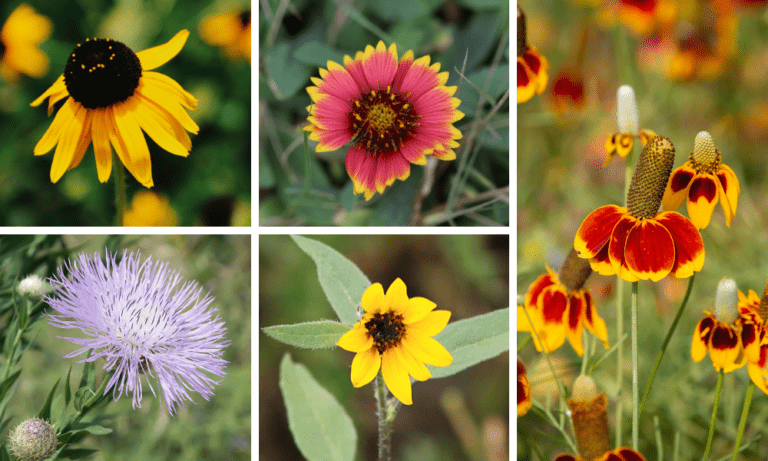
Many native wildflowers are fleeting, only providing a burst of color for a few weeks in the spring. However, there are a handful of hardy native wildflowers that can be counted on for a summer of beautiful blooms. Incorporate these long-blooming annual plants into your perennial garden bed for even more bright colors!
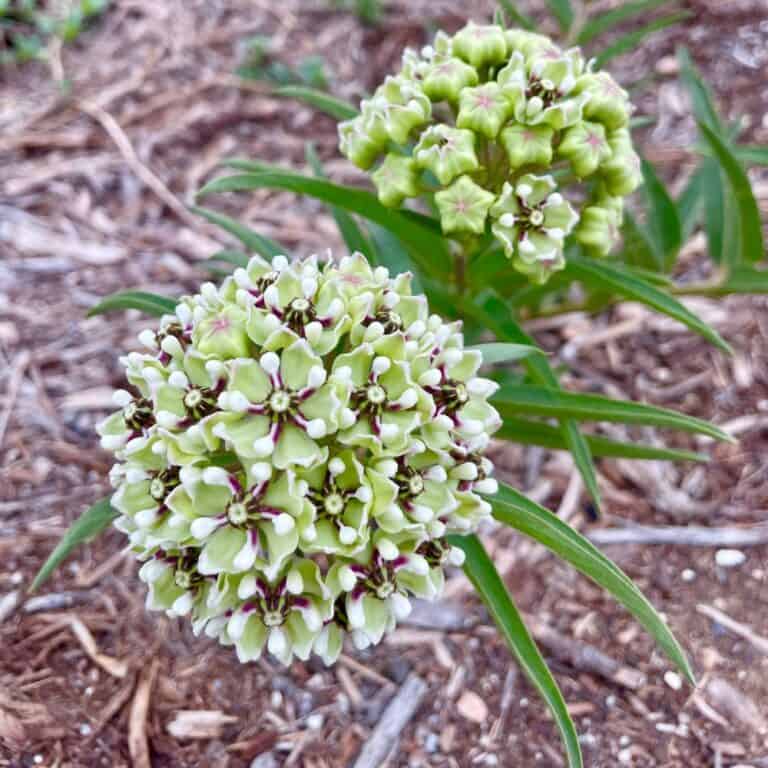
Antelope Horns (Asclepias asperula) is a beautiful species of Milkweed with clusters of star-shaped blooms and a unique green flower color. I personally think it is the prettiest Milkweed of all! Here are five reasons to grow it in your garden.
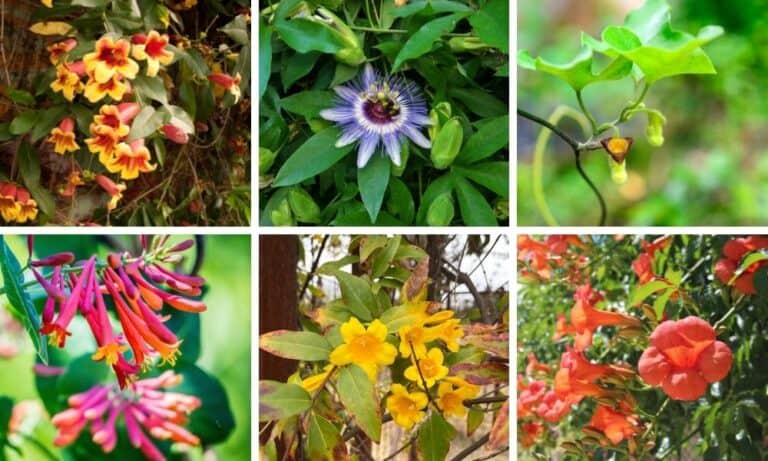
Want to add some native Texas vines to your garden? You have some beautiful ones to pick from! They provide nectar for pollinators, serve as host plants for butterflies and moths, and some provide fruit for birds! They are a great alternative to non native vines commonly sold at the nursery such as Star Jasmine, Chinese Wisteria, and English Ivy.
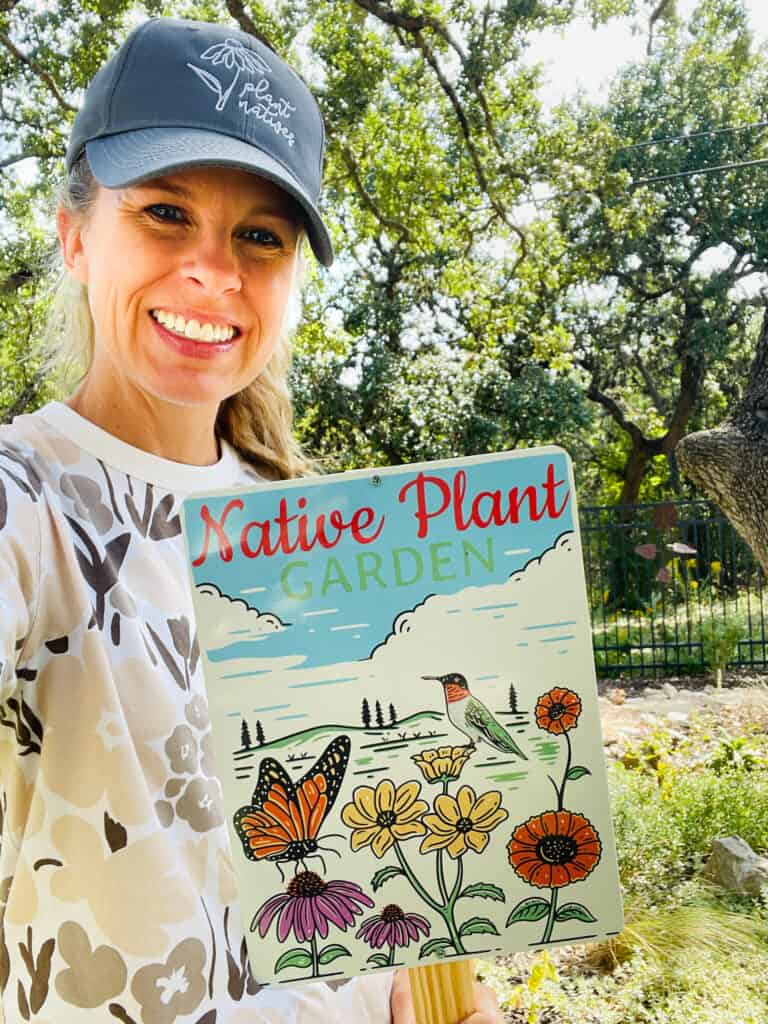
Have you worked hard to make your native plant garden a reality? Time to celebrate by making your garden official with a native plant garden sign! A beautiful sign not only makes your garden feel special, it can also help spark conversations with neighbors about the importance of growing local plants in our own yards.
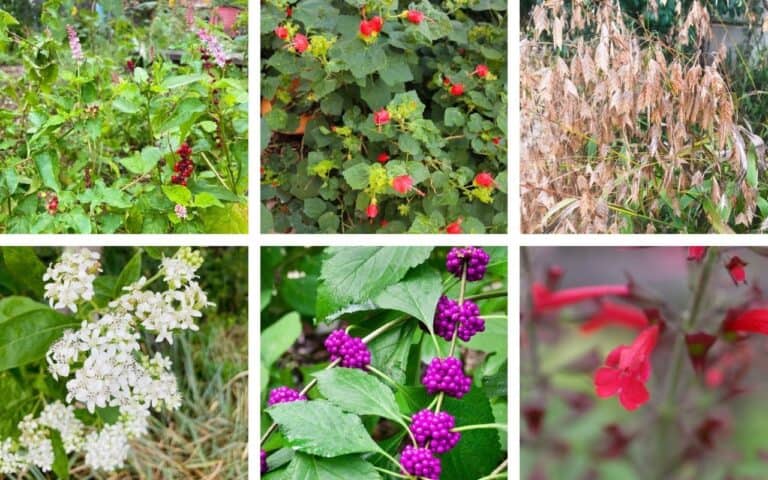
One of the trickiest garden challenges can be growing plants successfully in the shade. I’m here to tell you it is easy with the right Texas shade plants! Check out my top 10 favorite Texas native plants to grow in shady areas.